Gardening Simplified
Written by: Isaiah Fleese
Have you ever wondered why people garden? Like why would anyone garden when you could just buy from the supermarket?
Well, I was thinking about this very subject and decided to get some help from peers to find out more about this odd activity. When I interviewed the first person, I asked them why they garden and their thoughts on the matter, his response “if you learn the patience that comes along with it, it can be very rewarding”. That sentence led me to think “huh, if it’s rewarding I wonder if people would eat more vegetables and fruits if they grew them. So I asked that very question to my 2 interviewees, who both agreed that they would eat them more if they grew them themselves, because that way they “know they are real” and “feel accomplished” as said by interviewee 1 and 2. Some may also garden for the mental benefit they gain. Gardening (believe it or not) releases dopamine, the “feel good” chemical in your brain. Gardening to no surprise, has physical benefits as well, and not just muscle building but it is included. Studies from https://extension.psu.edu/programs/master-gardener/counties/adams/news/the-many-mental-health-benefits-of-gardening shows that gardening increases motivation and reduces fatigue.
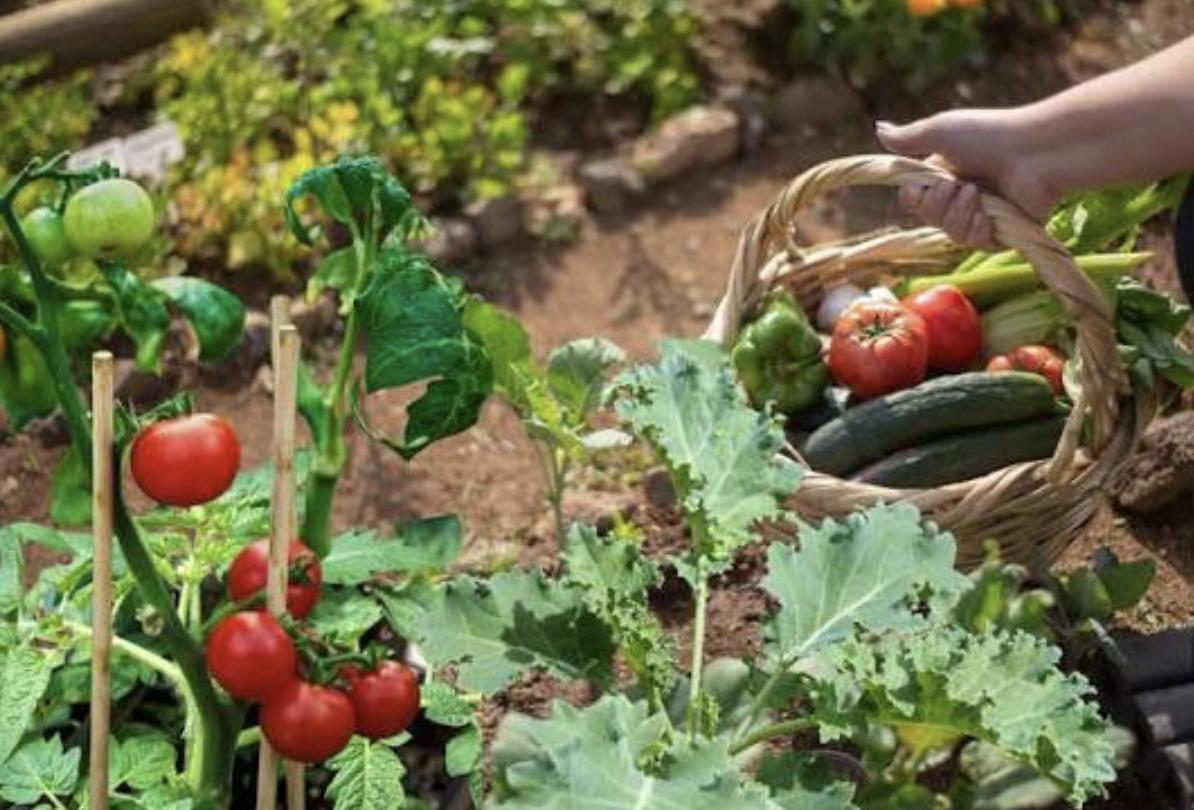
Growing in general can also be seen as a hobby or for company, as some may “feel as if they are accompanied by another” or for the accomplishing feeling obtained when successfully growing something, as said by interviewee 1. And something that may be overlooked is the scenery that you can create with your garden. Maybe all of your plants are planted in nice looking rows, maybe they all fit a color scheme or even a country's theme. While some see gardening as a stress reliever many may see gardening as a chore, the watering or patience could annoy people, but it’s the patience that some say make it all worth it, as it is “an expression of your dedication” when a plant thrives.
Now that we know why people do it, how do they do it?
Asked on info I gathered both through online searching and interviewing, I’d recommend starting with the plant hardiness map(below).
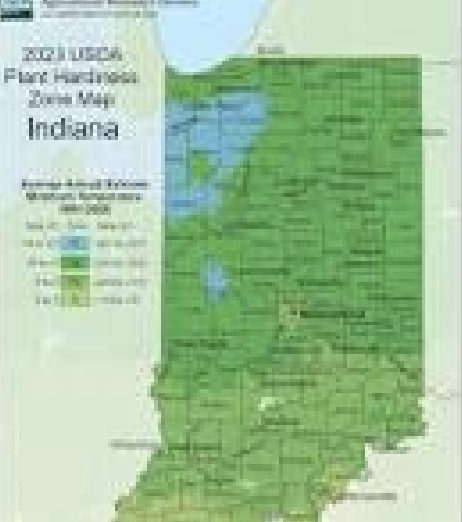
Use this to find out what you should and probably shouldn’t plant, as some plants need certain humidities and temperatures to thrive and live(collected from interviewee 1). This map isn't just good for finding hardiness for plants as the title describes, it actually shows the optimal temperature ranges for plants, and the optimal water drainage each plant requires.
When should I plant?
https://facebook.com/61556701379056/posts/when-to-plant-a-detailed-growing-guide-timing-is-everything-when-it-comes-to-a-s/122212673564223379/ —> Here's a link to a planting calendar, which shows when to grow certain plants.
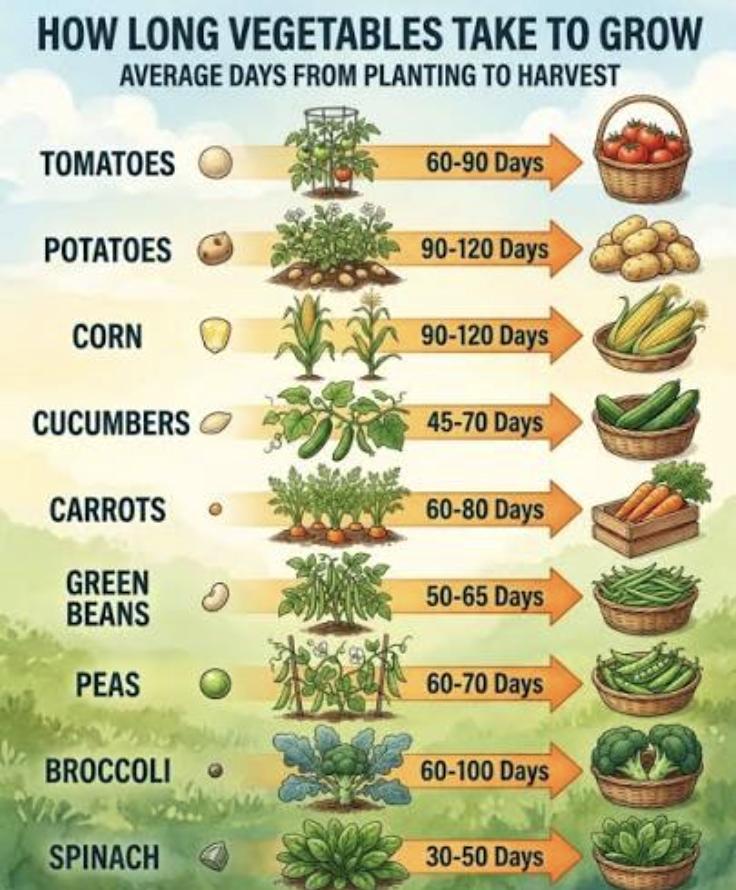
Now you may be asking yourself, why does it matter? And the answer to that is some plants are sensitive and some are hardy. The hardy plants usually thrive when it is cold or can at least tolerate it (with some even sweetening up after a good frost); unlike others, that cannot tolerate even a slight chill. An addition to planting in the cold is bugs and parasites are way less likely, as they are too cold to survive at the right timing. Now that we know why, what are some good plants for cool temperatures? According to Farmside Gardens for cool temps, the best plants are leafy greens and root vegetables. The best time to plant them is when the soil reaches 40 F. Some other great plant types to grow in these temperatures are brassicas (cabbage family), peas and legumes, and last but not least, herbs.